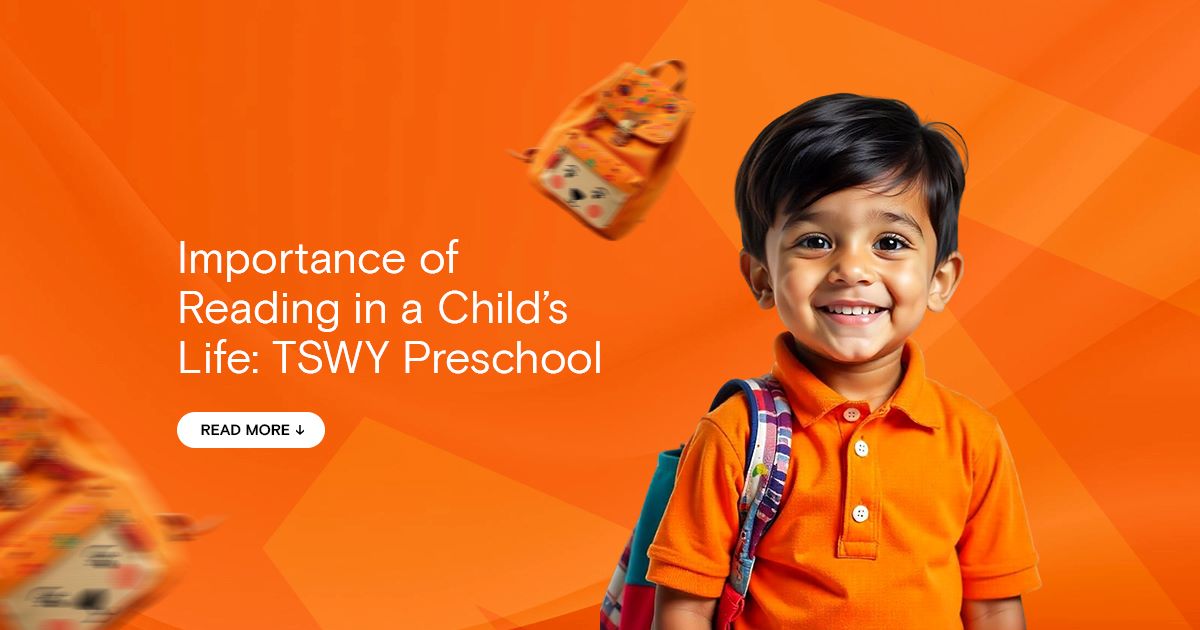
The importance of reading can not be overstated. It is essential for a child’s development, and we should inculcate reading habits from a young age, starting as early as 3 months. We can begin by giving an infant a book to touch and look at, igniting the engine of their imagination.
Table of Contents
- 1. Why Start Early?
- 2. The Lifelong Benefits of Early Reading
- 3. Parent as a Role Model
- 4. Reading is Essential for a Child’s Emotional and Intellectual Development
- 5. Build it as a habit or your daily routine.
- 6. Concluding Remarks: Plant The Seed Today
Why Start Early?
The importance of reading begins from the earliest stages of life. Reading aloud to infants from birth using simple picture books captures their attention, strengthens the parent-child bond, and lays the foundation for language development. As children grow, the importance of reading continues to shape every stage of learning and personal growth by expanding vocabulary, improving grammar, and strengthening communication skills.
Beyond academics, reading enhances focus, concentration, analytical thinking, and problem-solving abilities. Children who develop regular reading habits often build stronger personalities, greater empathy, and better emotional intelligence. By exploring different characters, stories, and experiences, they learn to understand their own emotions, relate to others, and develop valuable life skills that extend far beyond the classroom.
The Lifelong Benefits of Early Reading
The importance of reading extends far beyond learning new words. Reading stimulates imagination, helping children visualise characters, emotions, and events while encouraging storytelling, creativity, and innovative thinking. Developing reading habits early also lays the foundation for a lifelong love of learning, stronger relationships, and a deeper connection with the world around them.
Another key aspect of the importance of reading is its positive impact on emotional well-being. Reading can be a powerful way to relax, reduce stress, and manage anxiety. It also introduces children to different cultures, traditions, customs, and perspectives, broadening their understanding of the world and nurturing empathy, curiosity, and lifelong personal growth.
Reading is Essential for a Child’s Emotional and Intellectual Development
Reading is a fundamental skill that significantly shapes a child’s intellectual and emotional growth. Early exposure to books, Reading, and storytelling goes beyond mere words; it nurtures creativity and thinking skills, builds language proficiency, and fosters an endless love for knowledge.
Reading enhances communication skills. Therefore, allows for better communication, both verbally and in writing. Further, it broadens all our capacities, which are usually unknown to humans, including children. Reading strengthens dreams and envisions possibilities.
Parent as a Role Model
The importance of reading begins at home. Reading with children from an early age creates a sense of security, strengthens emotional bonds, and provides valuable quality time with loved ones. These shared experiences build trust and connection that continue to benefit children as they grow into confident and emotionally secure adults.
Children learn far more from what they see than from what they are told. That’s why parents are their first and most influential role models. One of the best ways to demonstrate the importance of reading is by making it a regular part of your own routine. When children see parents enjoying books, they are naturally encouraged to develop the same lifelong habit and love for learning.
Build it as a Habit or a Daily Routine.
Dedicating a specific time every day to reading develops your child’s interest, inquisitiveness, and quiet moments. Always select age-appropriate books that align with and keep a child’s interest.
Concluding Remarks: Plant The Seed Today
The importance of reading extends far beyond childhood. When reading becomes a habit early in life, it grows into a lifelong source of knowledge, imagination, and personal growth. Books transport us to different worlds, introduce us to diverse perspectives, and allow us to experience places, people, and ideas beyond our everyday lives.
One of the greatest aspects of the importance of reading is its accessibility. It requires no special tools—only curiosity and a willingness to explore. Whether through printed books, e-books, or audiobooks, every reader can discover stories and knowledge in a way that suits them.
Reading is much like planting a seed. With time, consistency, and encouragement, it grows into a lifelong passion. It’s never about how quickly or how much you read—it’s about enjoying the journey and discovering the magic hidden within every page. To learn more about TSWY’s child-centred approach to nurturing lifelong learners, follow The Shri Ram Wonder Years on LinkedIn: https://www.linkedin.com/company/theshriramwy/.