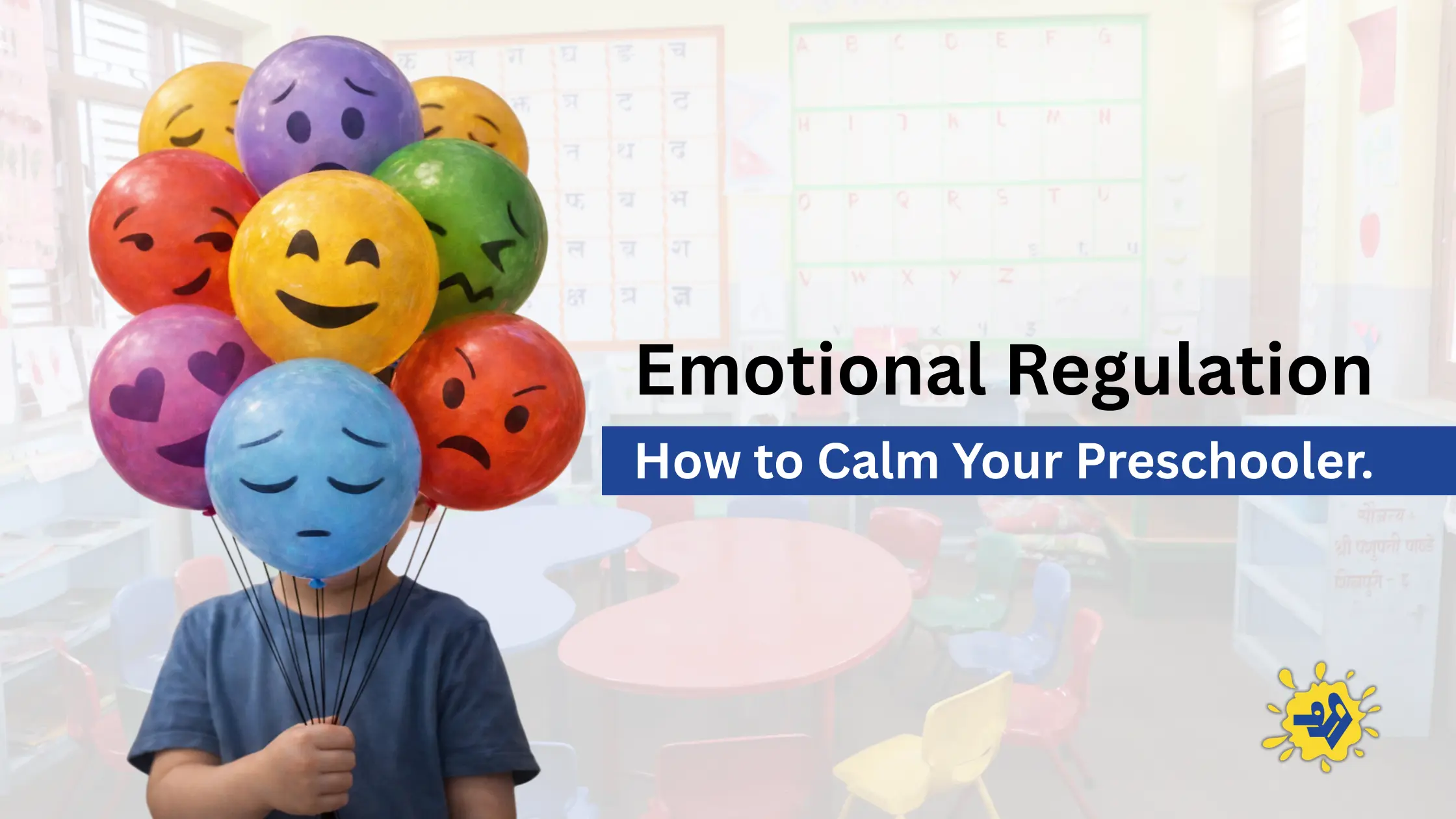
Big emotions are a normal and healthy part of early childhood development and emotional regulation. From sudden tears to bursts of excitement, young children experience emotions intensely because their brains are still learning to regulate emotions. Consider a common scenario: a toddler having a full-blown tantrum at bedtime because their favorite blanket isn’t on the bed, even though it’s lying right next to them. This kind of emotional outburst is typical for their age as they struggle to express their feelings and frustrations verbally. What helps a baby calm down may not work for a toddler or a preschooler, and that’s completely natural.
At TSWY Preschool, one of the most trusted names in early learning, educators take a distinct approach by prioritizing emotional security and emotional regulation as much as academics. Their methodology goes beyond standard early childhood programs, integrating guided emotional coaching, personalized attention to each child’s feelings, and social-emotional learning activities into the daily curriculum. This child-centred philosophy aims to help children express emotions, solve conflicts respectfully, and build lasting confidence from the earliest years. Parents can learn more about this unique approach at https://tswypreschool.com/.
Why Emotional Regulation Is So Important
Children who learn healthy emotional regulation and calming skills early are more likely to develop self-control, empathy, resilience, and problem-solving abilities later in life. When young children feel safe and understood, their brains shift from emotional overload to learning mode.
Consistent routines, predictable environments, and supportive adults form the foundation for managing toddler tantrums and emotional outbursts. Instead of rushing children through their feelings, acknowledging emotions and guiding them calmly teaches them that emotions are manageable, not scary. Sample phrases parents can use include, “I see you’re upset, I’m here with you,” or “It’s okay to feel angry, let’s find a way to make it better.” These phrases provide children with assurance and help them feel heard and understood. For instance, imagine a parent whose child is crying inconsolably because they can’t find their favorite toy. The parent kneels to the child’s level, gently holds their hand, and says, “I can see you’re upset about not finding your toy. Let’s look for it together. It’s okay to feel sad or frustrated.” This approach helps the child feel supported and teaches them problem-solving skills.
Calming Strategies by Age
0–2 Years: Comfort Through Connection
Infants rely completely on caregivers to regulate stress and emotional regulation. At this stage, calming is mostly physical and sensory.
Helpful techniques include:
- Skin-to-skin contact and gentle cuddling
- Soft humming or familiar voices
- Slow rocking or rhythmic movement
- Regular feeding and sleep routines
Babies “borrow” calm from adults. A steady presence helps them feel protected and builds trust — the foundation of emotional bonding and early childhood emotional development.
2–4 Years: Routine and Reassurance
Toddlers experience powerful emotions but lack the language to express them clearly. Naming what they feel supports emotional regulation and emotional literacy. For example, you might say, “You’re frustrated because the toy stopped working.” Other phrases that help identify emotions include “You look sad,” or “You’re excited!” Incorporating these phrases into daily interactions helps toddlers recognize and label their emotions effectively.
Other effective toddler calming strategies include:
- Offering simple choices to restore a sense of control
- Quiet play such as puzzles, blocks, or books
- Comfort items like a favourite toy or blanket
A calm adult voice helps organize their emotional world. Parents may also feel frustration or overwhelm during these moments, which is normal. Taking a few deep breaths and maintaining composure supports both the parent’s and the child’s emotional regulation. Additionally, parents might find it helpful to practice a simple self-care technique, such as stepping away briefly when possible or using a calming mantra, such as ‘I am calm, I am present.’ These practices empower parents to care for their own emotional needs, making it easier for them to be there for their children.
4–6 Years: Expression and Self-Regulation
Preschoolers are beginning to practice independent calming skills with adult guidance. Activities that allow emotional expression work especially well for building emotional regulation and emotional intelligence in children.
Encourage:
- Drawing or storytelling
- Pretend play
- Simple breathing games or mindfulness moments
- Clear, consistent boundaries
These techniques strengthen self-regulation while maintaining emotional safety — a core part of quality preschool education and preschool emotional growth.
How TSWY Preschool Supports Emotional Growth
At TSWY Preschool, emotional development and emotional regulation are part of daily classroom experiences. Teachers create warm, structured environments where children learn to identify feelings, resolve conflicts gently, and build confidence in social settings. To ensure these strategies are consistently supported at home, parents are encouraged to communicate regularly with teachers. Discussing classroom strategies, sharing successes or challenges, and seeking advice fosters a strong partnership between parents and educators in supporting children’s emotional growth. Parents can further reinforce these strategies at home using the same emotion words or similar routines, creating a supportive environment for their children.
This balanced approach prepares children not just for school readiness, but for life, helping them grow into emotionally secure, curious learners.
Parents searching for the best preschool in Delhi NCR that values emotional intelligence as much as academics can explore TSWY’s philosophy and programs at https://tswypreschool.com/.
Calm Today, Confident Tomorrow
There’s no single right way to calm a child. What matters is that they feel supported and reassured that every step taken is meaningful. Progress takes time, and each effort you make contributes to their emotional growth. This understanding not only fosters patience but also reduces any feelings of guilt, empowering you with confidence in your parenting journey.
Patient, present responses teach lifelong emotional regulation skills.
Quiet moments after a meltdown matter.
They help shape tomorrow’s confident adults.